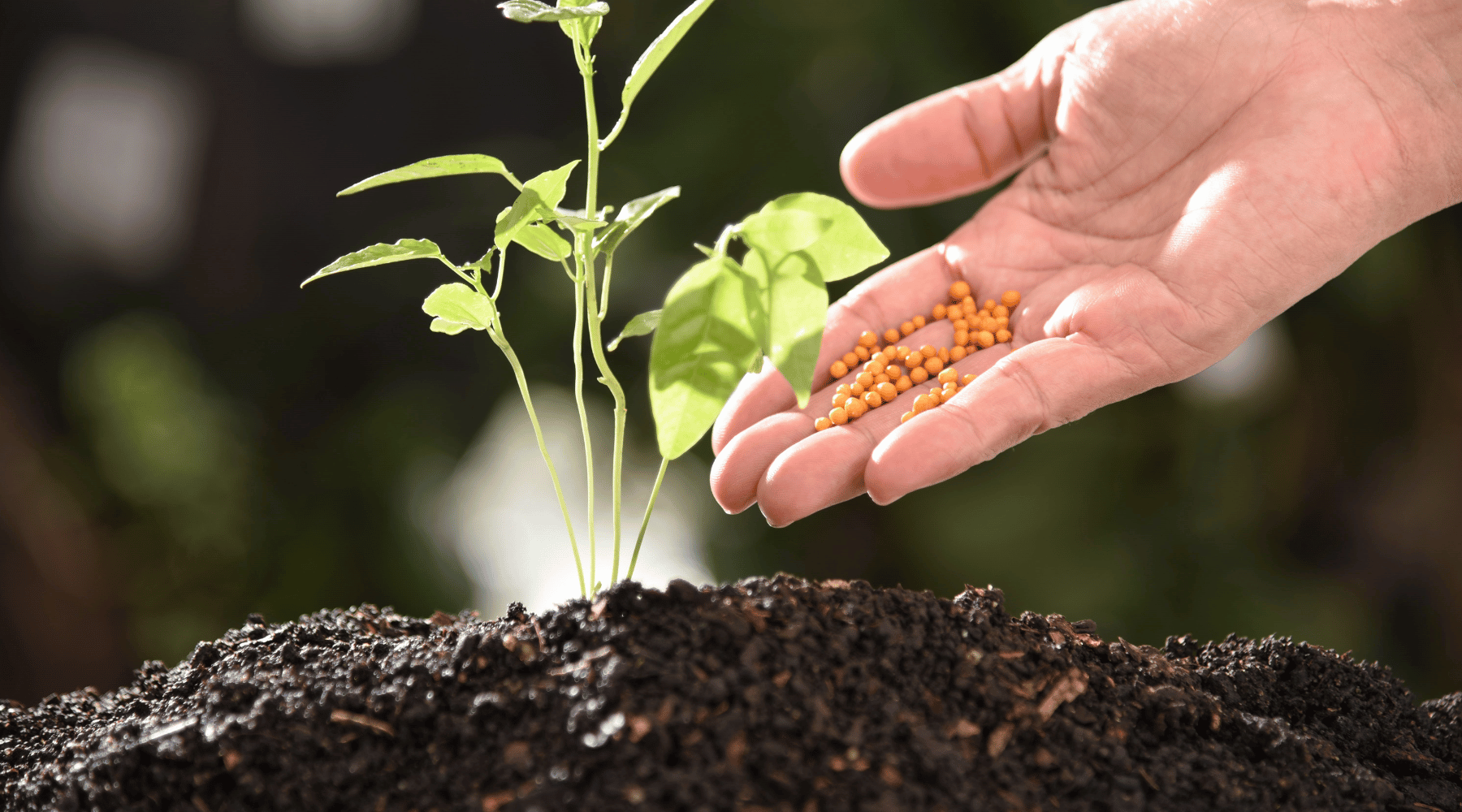
Secret Fertilizer Tips: How to Maximize Your Tomato Yield Naturally
Most fertilizer guides read like a bag of amendments threw up on a page. I want to give you the straightforward version: what your tomatoes actually need, when they need it, and what to do when you over-do it. We're sticking to organic and natural options here because they're better for your soil long-term and they don't cause the kind of nutrient lockout that'll ruin a whole season.
If your plants are already showing yellowing, spots, or stunted growth before you even get to feeding them, start with the nutrient deficiency guide first: Common Tomato Nutrient Deficiencies and How to Fix Them. Then come back here.

Understanding NPK: The Three Numbers on Every Fertilizer Bag
Every fertilizer bag shows three numbers separated by dashes. That's the N-P-K ratio: Nitrogen (N), Phosphorus (P), and Potassium (K). These are the three macronutrients your tomatoes can't live without, and each one does a specific job.
- Nitrogen (N): Drives leafy, green growth. Too much and you'll get a beautiful plant that never sets fruit. Too little and growth stalls out.
- Phosphorus (P): Root development and flowering. Strong roots, strong blooms, strong fruit set. This is the one most Texas gardeners under-apply.
- Potassium (K): Overall plant health, disease resistance, and fruit quality. K is what makes a tomato taste like a tomato instead of watery cardboard.
Most complete fertilizers cover your secondary macros and micros (calcium, magnesium, iron, etc.) in the blend. But if you want to know exactly what your soil is missing before you add anything, a soil test through Texas A&M is the most reliable starting point. Send one during the off-season and you'll go into spring with actual data instead of guessing.

Source: Bermuda Grass Care
The Analogies Block: The Three-Legged Stool
Think of NPK like the three legs of a stool. Nitrogen is how tall your plant grows, phosphorus is how deep the roots go, and potassium is how well it holds together under pressure. A stool with one short leg tips over. A tomato plant fed only nitrogen produces nothing but leaves.
Which Organic Fertilizers Actually Work
Here are the ones I use and recommend. You can find most of these at any big box store. I've also linked my Amazon picks at the bottom of this post.
- Bone Meal: High phosphorus. Best applied at transplant and again when flowers first appear. Gets roots anchored and blooms coming.
- Blood Meal: High nitrogen. Good for the vegetative stage when you want rapid green growth. Back off once flowering starts.
- Compost: The foundation. Improves soil structure, feeds microbial life, and delivers a balanced range of nutrients you can't replicate with a bag. Homemade or well-aged compost beats anything store-bought.
- Worm Castings: Gentle, balanced, and loaded with beneficial microorganisms. You can't really over-apply them. Mix into transplant holes or use as a top dressing.
- Seaweed / Kelp Meal: High potassium and trace minerals. Works well as a foliar spray during fruit development. Helps with heat and drought stress, which matters in Texas.
- Osmocote (Controlled Release): Our practical favorite for container gardening and busy schedules. Granules release nutrients based on temperature and moisture, so the plant feeds itself on its own timeline. Mix into soil at planting. Here's more on how it works.

I avoid synthetic fertilizers with ammonium nitrates, the main ingredient in Miracle-Gro. They push fast growth but don't build soil and create dependency over time. A peer-reviewed study tracking organic farming over seven years found it produced sustainable yield improvements alongside measurable gains in soil and produce quality. The long game matters.
How to Fertilize Tomatoes at Each Stage
Timing is where most home gardeners go wrong. It's not just what you use — it's when you use it.
- Before Planting: Mix compost or a balanced organic fertilizer into the planting hole. This is your foundation layer. Don't skip it.
- Vegetative Growth: Once plants are established and putting on size, use blood meal or a higher-nitrogen organic feed. Every two weeks, side-dress or mix lightly into the soil surface around the base.
- Flowering: When the first flowers appear, shift to bone meal or a high-phosphorus blend. This is the make-or-break stage for fruit set.
- Fruit Development: Switch to seaweed or a high-potassium feed as fruits start sizing up. Continue every two weeks through harvest.

DIY Fertilizer Mix for Tomatoes
If you'd rather mix your own, here's a balanced blend I've used with good results. Simple, cheap, and it covers all three macros without any guesswork.
Ingredients:
- 1 part organic blood meal (nitrogen)
- 1 part organic bone meal (phosphorus)
- 1 part wood ash or kelp meal (potassium)
Instructions:
- Mix the three parts thoroughly in a bucket.
- Apply 1 to 2 tablespoons per plant every 4 to 6 weeks.
- Water well immediately after to drive nutrients into the root zone.
- Do not apply before heavy rain. Runoff carries nutrients into groundwater and you'll lose the whole application anyway.
What to Do When You Overfertilize
It happens. You're trying to help and you overdo it. Signs of overfertilization include leaf burn, tip browning, wilting despite adequate water, and in serious cases, nutrient lockout where the plant stops absorbing anything regardless of what's in the soil.
When that happens, I reach for Fox Farm's SledgeHammer. It's a flushing agent that uses a compound called saponin to strip excess salts from soil exchange sites and restore balance. Distilled water works better than tap here because it has a neutral charge and holds more dissolved salts in solution, so it clears the soil more efficiently.
How to Use SledgeHammer:
- Dilute according to package directions and mix with distilled water.
- Water your plants slowly and thoroughly with the solution, soaking the entire root zone.
- Let the soil drain completely before resuming your regular schedule.
- After 24 hours, apply Fox Farm Boomerang to reintroduce beneficial microbes and micronutrients. It's formulated to help stressed plants recover, and it works.
We have no affiliation with Fox Farm. They're out of Humboldt County, CA and their organic line is the best I've used consistently. The SledgeHammer and Boomerang combo has saved more than a few plants I thought were goners.
A Simple Fertilization Schedule to Follow
If you want a reliable starting point, here's a simplified version of the Fox Farm schedule adapted for Texas growing conditions:
- Transplant Day: Compost or balanced organic fertilizer mixed into the hole.
- Weeks 2 and 4: Blood meal or nitrogen-forward organic feed applied as a side dressing.
- First Flowers: Switch to bone meal or high-phosphorus blend. Continue every two weeks.
- Fruit Set Through Harvest: Seaweed or high-potassium feed every two weeks.

Print this out and keep it in the garden shed.
Frequently Asked Questions
Can I fertilize tomatoes in the Texas summer heat?
Yes, but carefully. High heat stresses plants and makes them less efficient at uptake. Reduce application frequency during extreme heat, keep soil moisture consistent, and avoid fertilizing in the middle of the day. Early morning applications work best.
How do I know if my tomatoes need more fertilizer or more water?
Wilting and pale leaves can look identical regardless of cause. Check soil moisture two inches down first. If the soil is dry, water before fertilizing. Applying fertilizer to a dry root zone concentrates salts and makes the problem worse.
Is Osmocote safe to use in organic gardens?
Osmocote is a synthetic controlled-release product, so it doesn't qualify as certified organic. That said, it's a practical option for container gardens where consistent feeding is harder to manage. For in-ground beds, stick with compost, bone meal, blood meal, and kelp.
How often should I test my soil?
Once per year is sufficient for most home gardens, ideally in fall after harvest. Submit through the TAMU soil testing lab. It costs a few dollars and removes all the guesswork from spring prep.
What's the difference between a nitrogen deficiency and overfertilization?
Nitrogen deficiency shows as yellowing that starts on lower, older leaves and moves upward. Overfertilization typically shows as leaf tip burn, dark green discoloration, or wilting despite moisture. If you're unsure, flush the soil first and observe for 48 hours before adding anything.
Further Reading
- Common Tomato Nutrient Deficiencies and How to Fix Them — if your plant is already showing symptoms, start here.
- Coop's Secret Tricks for Growing Better Tomatoes in Central Texas — variety selection, watering, and heat management for Austin-area gardens.
- Best Tomatoes to Plant in March — which varieties hold up in Central Texas and when to get them in the ground.